TW9 Upholstery Cleaning Tips for Period Cottages
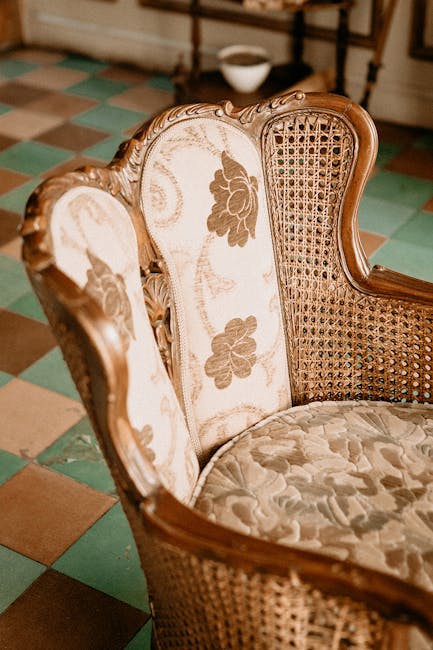
If you live in a period cottage in TW9, you already know the charm comes with a few quirks: older timber, delicate finishes, uneven light, and upholstery that has probably seen more family life than most modern furniture ever will. That is exactly why TW9 upholstery cleaning tips for period cottages need a gentler, more thoughtful approach than standard off-the-shelf advice. A Victorian armchair, a faded linen sofa, or a well-loved dining seat in a cottage near Kew Green does not behave like a new flat-pack piece.
This guide breaks down what to do, what to avoid, and how to clean upholstered furniture in older homes without risking shrinkage, colour bleed, or damage to fabrics that are already a bit fragile around the edges. You will find practical methods, a clear step-by-step routine, a checklist, and the kind of real-world advice that helps you decide whether to tackle the job yourself or call in professional help from a specialist like upholstery cleaning experts.
Expert summary: In period cottages, successful upholstery cleaning is less about brute force and more about control, testing, and patience. Go slowly, test first, and keep moisture to the minimum needed for the fabric.
Table of Contents
- Why TW9 upholstery cleaning tips for period cottages Matters
- How TW9 upholstery cleaning tips for period cottages Works
- Key Benefits and Practical Advantages
- Who This Is For and When It Makes Sense
- Step-by-Step Guidance
- Expert Tips for Better Results
- Common Mistakes to Avoid
- Tools, Resources and Recommendations
- Law, Compliance, Standards, or Best Practice
- Options, Methods, or Comparison Table
- Case Study or Real-World Example
- Practical Checklist
- Conclusion
- Frequently Asked Questions
Why TW9 Upholstery Cleaning Tips for Period Cottages Matters
Period cottages in TW9 often combine old architecture with modern living, and that mix creates specific cleaning challenges. Upholstery may be exposed to draughts, soot residue in older properties, damp winter air, or dust that settles into corners and fibres. Throw in antique frames, traditional fillings, horsehair-style construction on older pieces, or delicate weaves, and you have a job that deserves more care than a quick scrub.
The biggest issue is not just visible dirt. It is what happens when the wrong product or too much water gets involved. A sofa can look fine after a heavy clean and then dry with tide marks, warped cushions, or a faint musty smell that settles in by the next morning. Annoying, really. In a cottage, especially one with limited airflow, that risk is higher because drying is slower and rooms may hold moisture longer.
There is also the character side of things. Upholstered furniture in period homes is often part of the room's story. A faded wingback chair, for example, may be worth preserving as it is rather than aggressively "restoring" it into something it was never meant to be. Good cleaning protects the fabric and keeps the piece looking authentic.
If you want a broader overview of fabric care across the home, the site's sofa cleaning and curtain cleaning pages are useful companions, especially where soft furnishings share dust, pet hair, or cooking odours from nearby rooms.
How TW9 Upholstery Cleaning Tips for Period Cottages Works
At a practical level, upholstery cleaning works by loosening soil from fibres, lifting contaminants from the surface, and removing residues without over-wetting the material. In older cottages, the technique matters even more because upholstery often reacts differently to temperature, humidity, and pressure than newer furnishings.
A sensible cleaning process usually follows four stages:
- Identify the fabric - cotton, wool blend, velvet, linen, microfibre, and leather all need different handling.
- Check the care label - if there is one. Not every older item has a helpful label, of course. Sometimes you are left reading the chair like a detective.
- Test a hidden area - behind a cushion, under a skirt, or on the back edge where any colour change will be less noticeable.
- Use the lightest effective method - dry soil removal first, then spot cleaning or controlled low-moisture cleaning if the fabric allows it.
The key principle is restraint. Period cottage furniture usually responds better to gentle passes and careful drying than to deep saturation. If a fabric is already delicate, a professional approach using the right equipment may be safer than DIY cleaning. For structured or heavily soiled pieces, sofa cleaning support can be more reliable than trying to improvise at home.
There is one more thing people often miss: the room itself matters. Old plaster, sash windows, and cold walls can affect how fast moisture disappears. That means the same cleaning method may work in a modern flat but behave very differently in a cottage bedroom or sitting room. Timing, airflow, and room temperature all play a part.
Key Benefits and Practical Advantages
Done properly, careful upholstery cleaning brings more than just a neat look. It can make a room feel fresher, help furniture last longer, and keep older fabrics from becoming brittle or grimy. In a cottage where one piece may anchor the whole room, that matters.
- Preserves original character - especially useful for inherited or period-style furniture.
- Reduces allergens and dust build-up - helpful in homes with lots of soft furnishings.
- Improves indoor freshness - old upholstery can hold cooking smells, pet odours, and damp notes.
- Helps prevent fabric wear - grit and dust act like fine sandpaper over time.
- Supports better presentation - useful if you are hosting guests, renting, or preparing a room for sale.
There is a quieter benefit too. Clean upholstery changes how a room feels. You notice it in the morning when the sitting room smells less stale, or in the evening when sunlight catches a chair and it simply looks cared for. Small thing, maybe. But it adds up.
For deeper stain concerns, especially on high-use seating, it can help to look at the service options around stain removal and pet stain and odour removal if the issue is more than ordinary dust or surface marks.
Who This Is For and When It Makes Sense
This advice is for anyone in TW9 caring for upholstery in an older property, whether you own the home, rent it, or manage a cottage-style holiday let. It is especially relevant if your furniture has natural fibres, age-related wear, or sentimental value.
You will get the most value from these tips if:
- your upholstery is in a period cottage with limited ventilation
- the fabric is unknown, vintage, or mixed-fibre
- you are dealing with dust, light staining, pet hair, or everyday soil
- you want to avoid over-wetting or harsh chemicals
- the room contains antique, original, or delicate furnishings
It also makes sense when you are trying to decide between a quick refresh and a proper deep clean. Sometimes a light vacuum and spot treatment is enough. Sometimes it is not. Truth be told, that decision usually comes down to what the fabric can safely tolerate, not what you hope it will tolerate.
If you are comparing self-cleaning with professional care, the pricing and quotes page can help set expectations about what a specialist service may involve, while insurance and safety gives reassurance around responsible work in the home.
Step-by-Step Guidance
Here is a practical routine that works well for most upholstery in period cottages, provided the fabric is suitable. Take your time. Rushing usually creates more work later.
1. Read the fabric before you touch it
Look for labels, manufacturer notes, or clues from the weave. Velvet, silk blends, antique damask, and loose natural fabrics need more caution than synthetic upholstery. If the piece is old and there is no label, assume it is more delicate than it looks.
2. Remove loose dust and debris
Use a vacuum with an upholstery attachment. Go slowly and work into seams, piping, and buttons. These are the places where dust hides. You may even hear it rustle a little as it lifts out. It is oddly satisfying.
3. Test a hidden spot
Apply your chosen cleaner to a concealed area first. Wait for it to dry completely before judging the result. A fabric can look fine when damp and then turn patchy after drying. That is one of those irritating little surprises old upholstery likes to keep in reserve.
4. Spot clean with caution
Use a small amount of solution on a cloth rather than pouring anything directly onto the fabric. Dab, do not rub. Rubbing can push the stain deeper and rough up the fibres. For localised marks, a targeted approach often beats a full clean.
5. Use minimal moisture
For period cottages, less water is usually better. Excess moisture can linger in thick cushions or old stuffing and lead to smells, slow drying, or fabric distortion. If your upholstery needs a wetter process, make sure the room is warm and aired, but not blasted with hot air.
6. Blot and lift residue
After treating the area, blot with a clean dry towel. Repeat until the cloth no longer picks up residue. That final residue removal matters because leftover cleaner can attract dirt later.
7. Dry thoroughly
Open windows if weather allows, run gentle airflow, and leave cushions propped so air can circulate. Avoid sitting on the furniture until it is fully dry. A slightly damp sofa feels harmless at 6 pm and regrettable by 9 pm.
8. Refresh the surrounding room
In a cottage, upholstery rarely gets dirty alone. Curtains, rugs, and carpets often share the same dust and odour load. If the room still feels stuffy after cleaning the seating, a combined approach can help. The site's rug cleaning and carpet cleaning pages are useful if soft furnishings throughout the room need attention.
Expert Tips for Better Results
A few small adjustments make a big difference in older homes. These are the things that tend to separate a decent clean from one that genuinely lasts.
- Clean in daylight when possible. Natural light makes it easier to spot uneven patches and missed marks.
- Work on one section at a time. Big sofa, one cushion or panel at a time. Simple, but it keeps moisture control tight.
- Use white cloths for spot work. Coloured cloths can transfer dye, and nobody wants that extra drama.
- Keep heat gentle. Strong heat can distort fibres and leaves you guessing about whether the fabric is actually dry.
- Prioritise seams and headrests. Those are the high-contact areas where body oils and dust build up first.
- Consider odour sources separately. Musty smells may come from the room, not just the upholstery itself.
A useful habit in older cottages is to clean more often, but more lightly. That avoids the trap of letting soil build up until the only answer is a heavier clean. Gentle maintenance is boring in the best possible way. It works.
If you are handling delicate window dressings at the same time, pairing upholstery care with curtain cleaning can give the room a noticeably fresher feel without turning it into a full renovation project.
Common Mistakes to Avoid
Most upholstery damage during cleaning comes from impatience or overconfidence. That is not a judgement, by the way. We have all had that "this looks easy" moment.
- Skipping the fabric test - this is how colour loss and watermarking happen.
- Using too much water - especially risky for older cushions and natural fillings.
- Scrubbing stain edges hard - that often spreads the mark and roughens the weave.
- Using harsh bleach-based products - they may remove the stain and the colour, which is not ideal.
- Ignoring drying time - a couch that still feels cool or slightly clammy is not ready.
- Cleaning only the stain - this can leave a cleaner halo around the mark if the rest of the panel is untouched.
One more subtle mistake is forgetting that older homes can trap moisture. A piece of furniture might feel dry on the surface but still hold damp inside the padding. If that happens, a mild odour or slow reappearance of marks can follow. Not lovely.
Tools, Resources and Recommendations
You do not need a full arsenal of gadgets. In fact, with period cottage upholstery, a smaller and more careful toolkit is often better.
| Tool or product | Best use | Why it helps in period cottages |
|---|---|---|
| Vacuum with upholstery attachment | Removing dust, crumbs, pet hair | Safe first step before any moisture is used |
| Soft-bristled brush | Loosening dry debris from seams and trim | Gentler on older fabrics than stiff brushes |
| White microfibre cloths | Spot cleaning and blotting | Reduces transfer of dyes and helps track soil removal |
| Fabric-safe cleaner | Light stain treatment | Controlled cleaning with less risk of damage |
| Fan or natural airflow | Drying | Helps reduce moisture retention in older rooms |
For larger or more heavily used pieces, it is often worth comparing whether a specialist service is more practical than DIY. The upholstery cleaning page is a sensible place to start if you want professional input. If the issue is part of a broader refresh, steam carpet cleaning may also be relevant for the flooring, though not every upholstery fabric is suitable for steam, so that needs care.
If sustainability matters to you, it is worth thinking about how often items are replaced versus maintained. The site's recycling and sustainability page reflects that practical mindset: looking after what you already own is usually the greener choice, especially with older furniture that was built to last.
Law, Compliance, Standards, or Best Practice
Upholstery cleaning in a private home is not a heavily regulated activity in the way that some trades are, but good practice still matters. At minimum, anyone carrying out cleaning should act responsibly around chemicals, ventilation, and surface protection. In rented properties, it is wise to check tenancy terms before using stronger products or removing covers for washing. Some fabrics have specific care requirements, and damage can become a dispute if work is not done carefully.
For homeowners and landlords in TW9, the main best-practice points are straightforward:
- use products appropriate to the fabric
- test first, then proceed
- avoid excess moisture around old materials
- keep the room ventilated during and after cleaning
- follow any manufacturer guidance where it exists
Professional cleaners should also work with clear safety practices and adequate insurance. That is not just box-ticking. In older properties, stairs, narrow doorways, uneven floors, and fragile finishes make careful handling part of the job. If you are choosing a provider, it is sensible to review health and safety standards, insurance and safety information, and the terms and conditions so expectations are clear before any work begins.
Options, Methods, or Comparison Table
There is no single right method for every upholstery piece in a period cottage. The best choice depends on the fabric, the age of the item, and how much soil is present.
| Method | Best for | Strengths | Watch-outs |
|---|---|---|---|
| Dry vacuuming and brushing | Routine upkeep | Safe, quick, low risk | Won't remove deep stains |
| Spot cleaning | Single marks and spills | Targeted, economical | Can leave halos if overdone |
| Low-moisture professional cleaning | Delicate or older upholstery | Better control over wetness | Needs the right equipment and skill |
| Deep wet cleaning | Robust modern fabrics only | Can lift heavier soil | Higher drying risk in period cottages |
For most period homes in TW9, the safer middle ground is dry maintenance plus targeted cleaning, with professional support for anything delicate, large, or historically valuable. A heavy wet clean is not automatically wrong, but it does need careful judgement. If the piece matters to you, err on the side of caution.
Case Study or Real-World Example
Imagine a small sitting room in a TW9 cottage with a two-seater linen sofa, a wing chair near the window, and a rug that has picked up winter mud from a back entrance. The sofa looks tired rather than dirty, but the arms have that soft grey shadow that builds up from daily use. The chair has a faint tea mark on one side. Nothing dramatic. Just life.
A careful approach would start with vacuuming both pieces thoroughly, especially along seams and under cushions. The tea mark would be spot-tested on a hidden section before any treatment. The linen sofa would be cleaned in sections with minimal moisture, then dried with windows open for a few hours and cushions spaced apart to allow airflow. Meanwhile, the rug might be handled separately, because floor textiles often hold more grit than they first appear to.
In a case like this, people often notice that the room looks brighter even before every stain is gone. That is the funny thing about upholstery care. You are not always trying to make furniture look brand new. Sometimes you are simply restoring the calm of the room. And that, honestly, can be enough.
Practical Checklist
Use this quick checklist before you start:
- Identify the upholstery fabric if possible
- Check for a care label or manufacturer note
- Vacuum thoroughly using a soft attachment
- Test cleaner on a hidden area
- Prepare clean white cloths and a dry towel
- Work in small sections rather than all at once
- Use the least moisture needed
- Blot, do not rub
- Allow full drying with good airflow
- Stop if colours bleed, fibres distort, or the fabric feels too risky to continue
If the item is antique, sentimental, or expensive to replace, pause before experimenting. A cautious decision now can save a lot of regret later. Not glamorous, but sensible.
Conclusion
The best TW9 upholstery cleaning tips for period cottages are the ones that respect the age of the home and the character of the furniture. In older properties, that usually means gentle vacuuming, careful stain treatment, controlled moisture, and realistic expectations about drying and fabric sensitivity. You do not need to attack every mark. You need to protect the piece while improving it.
For routine upkeep, a calm DIY approach is often enough. For delicate fabrics, deeper staining, or furniture you would hate to get wrong, professional help is the safer move. Either way, the aim is the same: keep your period cottage comfortable, lived-in, and looking cared for without stripping away the charm that made you love it in the first place.
Get a free quote today and see how much you can save.
Frequently Asked Questions
What is the safest way to clean upholstery in a period cottage?
The safest approach is to vacuum first, test any cleaner on a hidden area, and use the least moisture possible. Older fabrics and fillings usually respond better to gentle, section-by-section cleaning than to soaking.
Can I steam clean upholstery in an older TW9 home?
Sometimes, but not always. Steam can be suitable for some robust synthetic fabrics, yet it can be risky for delicate natural fibres, vintage pieces, and items that dry slowly in older homes. Always test and check the fabric type first.
How do I remove old stains without damaging the fabric?
Start with a fabric-safe spot treatment and dab gently rather than scrubbing. Old stains may need several light attempts rather than one aggressive effort. If the stain is large or the fabric is fragile, a professional stain treatment may be the better option.
Why do upholstery cushions smell musty after cleaning?
That usually means the item has not dried fully, or moisture has reached the filling. In cottages with limited airflow, this is more common. Improve ventilation and let the piece dry longer before using it again.
How often should upholstery be cleaned in a period cottage?
Light maintenance should happen regularly, especially vacuuming. A deeper clean is typically needed less often, but it depends on use, pets, children, cooking odours, and how much natural dust your home collects.
What fabrics need the most caution?
Velvet, silk blends, antique textiles, loose weaves, and some wool or linen pieces can be more sensitive to water and friction. If you are not sure what the fabric is, treat it as delicate until proven otherwise.
Can I use supermarket upholstery cleaner on period furniture?
Possibly, but only if the product is suitable for the fabric and you have tested it first. Read the label carefully and avoid anything harsh or bleach-based. When in doubt, use a specialist cleaner designed for upholstery.
Should I clean the whole sofa or just the stain?
That depends on the condition of the fabric. Spot cleaning is fine for a small mark, but treating only one patch can leave a visible halo. A larger area clean may create a more even finish.
Is professional upholstery cleaning worth it for older homes?
Often, yes. Period cottages can make drying more difficult and delicate fabrics less forgiving. A professional with the right equipment and experience can reduce the risk of over-wetting and accidental damage.
What should I ask before booking an upholstery cleaner in TW9?
Ask about fabric testing, moisture control, drying time, insurance, and how they handle delicate or antique pieces. It is also sensible to review their about us page and contact us details so you know who you are dealing with.
Can upholstery cleaning help with pet odours in a period cottage?
Yes, it often can, especially where smells have settled into fibres or cushions. The key is to treat the odour source properly rather than masking it. Related services like pet stain and odour removal can be useful if the problem is more persistent.
What is the biggest mistake people make with old upholstery?
Using too much water too quickly. That is the classic one. It can lead to slow drying, watermarks, distorted fabric, and lingering smells. A careful, lighter touch is nearly always the smarter approach.