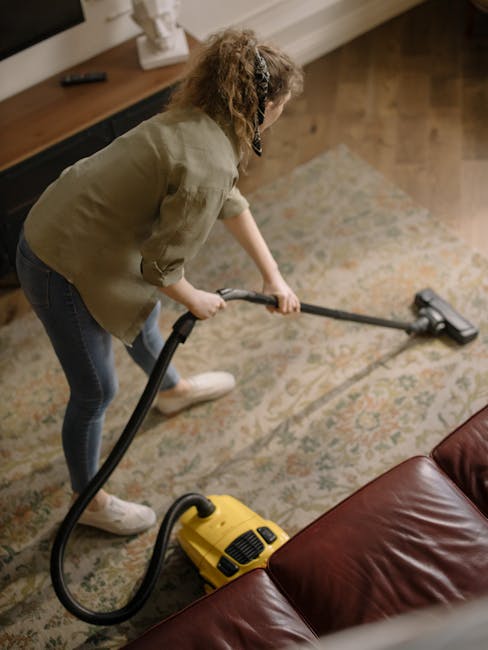
Kew Gardens carpet cleaning guide for homes and flats

If you live in Kew Gardens, you already know the oddities of local homes and flats: narrow stairwells, older floorboards, busy family rooms, small bedrooms that collect dust fast, and carpets that seem to hold on to every footstep. This Kew Gardens carpet cleaning guide for homes and flats is written to help you clean smarter, not harder. Whether you are trying to freshen up a one-bed flat, deal with pet smells after a rainy walk through the park, or decide when it is worth booking a professional clean, you will find practical, grounded advice here.
We will cover how carpet cleaning works, what methods suit different homes, the mistakes that quietly make carpets worse, and the best way to prepare if you want reliable results without the hassle. Truth be told, carpet care is one of those jobs that looks simple until you are kneeling on the floor with a damp cloth wondering why the stain got bigger. Let's avoid that.
Why carpet cleaning matters in Kew Gardens homes and flats
Carpets in Kew Gardens tend to take a fair bit of daily wear. Family homes often see muddy shoes, pram wheels, pets, and the usual spillages that come with actual living. Flats bring their own challenges: less space to move furniture around, limited drying room, and sometimes neighbours below who will not appreciate hours of foot traffic on a sodden carpet. So yes, the setting matters.
A good cleaning routine does more than make a carpet look nicer. It can help remove grit that wears down fibres, reduce odours trapped in the pile, and make a room feel calmer and more cared for. You notice it when you walk in. The room smells cleaner, the colour looks brighter, and the whole place feels less tired.
In a busy local home, carpets also act like a filter. Dust, crumbs, pet hair, and tiny particles settle there day after day. If you wait too long, those build-up layers become harder to remove, and spot cleaning starts to feel like a losing game. A steady approach is usually kinder to the carpet and easier on your time.
For landlords, tenants, and homeowners alike, there is also a practical side. Fresh carpets can support a smoother move-out, a better first impression for guests, or simply a more comfortable everyday space. Nobody wants a beautiful Kew flat to be let down by a grubby hallway runner.
How carpet cleaning works
At a basic level, carpet cleaning removes loose soil, lifts embedded dirt, and treats stains or odours using the right combination of vacuuming, cleaning solution, agitation, and extraction or drying. The method matters because different fibres, pile types, and stain types respond differently. A wool carpet in a period property needs a gentler touch than a hard-wearing synthetic carpet in a hallway.
The process usually starts with inspection. That means identifying the fibre type, noticing worn patches, checking for dye sensitivity, and spotting problem areas like wine marks, pet accidents, or traffic lanes. A proper inspection sounds unglamorous, but it saves a lot of trouble later.
From there, a cleaner may use one of several approaches:
- Vacuuming and dry soil removal to lift loose debris before any liquid touches the carpet.
- Pre-treatment for stains, grease, or heavily soiled areas.
- Agitation to help the product reach the fibres evenly.
- Hot water extraction or another cleaning method to remove dirt and residues.
- Post-treatment and grooming to help the pile dry more evenly and look tidier.
If you are considering a deeper clean, the service page for professional carpet cleaning explains the core service in more detail, while steam carpet cleaning is useful if you want to understand a hot-water approach and when it is appropriate.
Drying is the part people often underestimate. A room may look clean in an hour, but the fibres still need time to settle and dry properly. Open windows help. So does avoiding heavy foot traffic too soon. Simple, but easy to forget when the kettle's on and you are tempted to walk straight through.
Key benefits and practical advantages
A well-cleaned carpet offers more than a cosmetic lift. In homes and flats around Kew Gardens, the real value tends to show up in daily comfort and easier upkeep.
- Improved appearance: traffic marks soften, colours look fresher, and rooms feel brighter.
- Better odour control: lingering smells from pets, cooking, damp shoes, or spills are easier to reduce.
- Longer carpet life: regular soil removal helps reduce fibre abrasion.
- Healthier-feeling rooms: a cleaner carpet can reduce the dusty, stale feeling that builds up over time.
- More practical maintenance: once the carpet is properly cleaned, routine vacuuming tends to work better.
There is also the confidence factor. If you have visitors coming, or you are preparing a property for sale or end of tenancy, a cleaner carpet makes the rest of the space feel more finished. It is one of those details people notice even if they do not say much about it.
For homes with other soft furnishings in need of attention, it can make sense to coordinate carpet care with upholstery cleaning, sofa cleaning, or even rug cleaning if the whole room needs a reset.
Who this is for and when it makes sense
This guide is useful for a broad mix of people, but a few situations come up again and again in Kew Gardens.
- Families with children who need to deal with food drops, craft spills, and general everyday wear.
- Pet owners managing fur, odours, and the occasional accident.
- Flat owners and tenants who need a low-disruption cleaning approach with sensible drying times.
- Landlords and letting agents looking for a presentable finish before new occupants move in.
- Older residents who want a cleaner, safer-feeling home without heavy lifting or chemical guesswork.
- Anyone with allergies or dust sensitivity who wants to reduce the build-up trapped in soft flooring.
It also makes sense if your carpet looks fine at a glance but still feels flat, dull, or slightly sticky underfoot. That often means the fibres are holding soil deep down. Not dramatic, just annoying. And very common.
Professional support can be especially useful if you have a delicate fibre, a stubborn stain, or a flat where space is tight and drying must be managed carefully. If you are comparing services, a page like pricing and quotes can help you understand how a bespoke job is usually discussed, while contact and booking details are useful when you want to ask about your specific carpet type rather than guess.
Step-by-step guidance
Here is a practical way to approach carpet cleaning in a Kew Gardens home or flat, whether you are doing light maintenance yourself or preparing for a professional visit.
- Inspect the carpet carefully. Look for stains, worn sections, loose threads, and any areas that have gone slightly grey from foot traffic.
- Vacuum thoroughly. Do this slowly, ideally in two directions. If you rush it, you are just skimming the surface.
- Test any spot treatment. Use a hidden patch first. This is especially important on wool or older carpets.
- Pre-treat problem spots. Apply the right cleaner for the stain type. Oil, tannin, mud, and pet accidents all behave differently.
- Choose the correct cleaning method. For some carpets, low-moisture or controlled steam cleaning is better than soaking the pile.
- Work section by section. Keep the process even so you do not leave tide marks or patchy results.
- Extract moisture and residues. The less leftover product in the fibres, the better the finish usually looks and feels.
- Allow proper drying time. Ventilate the room, avoid heavy traffic, and do not replace furniture until the carpet is ready.
If you are dealing with a mark that will not budge, the service page for stain removal is worth a look. It is one thing to dab a stain; it is another to treat it without spreading it across half the room. We have all seen that happen. Not ideal.
For pet-related issues, it is smarter to treat smell and residue together rather than just masking the odour. Pet stain and odour removal can be much more effective when the source is fully addressed.
Expert tips for better results
Small decisions make a big difference with carpet care. In our experience, the best results usually come from a calm, methodical process rather than trying to rescue the carpet with a sudden all-out scrub.
1. Act quickly, but not recklessly. A fresh spill is easier to manage than an old one, but do not attack it with a harsh cleaner straight away. Blot first. Then assess.
2. Work from the outside in. This helps prevent a stain from spreading wider. It sounds basic because it is, and basic is often what works.
3. Use the least aggressive method that will do the job. A gentle clean is usually enough for routine maintenance. Reserve heavier treatment for truly stubborn areas.
4. Keep moisture under control. Too much liquid can lead to longer drying times, unpleasant smells, or even wick-back, where hidden dirt rises after drying.
5. Plan around weather and room use. On a damp London afternoon, drying may take longer than you expect. If you can, clean when you can ventilate properly and avoid needing the room immediately afterwards.
6. Think about the whole textile picture. If your carpets are tired, your curtains and sofa probably are too. Coordinating curtain cleaning or upholstery cleaning can leave a room feeling properly refreshed rather than half-done.
A little tip that sounds almost too simple: put clean socks on before re-entering a just-cleaned room. It helps more than you might think. Slightly silly, but it works.
Common mistakes to avoid
A lot of carpet damage happens not because people ignore the floor, but because they try to fix it too aggressively. That is the frustrating bit.
- Scrubbing hard: this can fray fibres and push the stain deeper.
- Using too much product: residue attracts dirt, so the carpet looks dirty again sooner.
- Skipping the vacuum: loose soil turns into mud once moisture is added.
- Cleaning without testing first: some fibres and dyes react badly to the wrong solution.
- Ignoring drying time: walking on a damp carpet too soon can flatten the pile and leave marks.
- Forgetting the underlay or edges: these areas often hold smells and dust even when the main surface looks acceptable.
Another common slip is chasing every faint mark as if it is a separate emergency. Sometimes the carpet needs a full clean, not a hundred tiny spot treatments. A measured approach usually saves time in the long run.
If you are unsure whether your carpet can handle a particular method, it is better to ask first. A quick conversation can prevent a proper headache later.
Tools, resources and recommendations
You do not need a van full of equipment to keep carpets in decent shape, but the right basics help a lot. For everyday maintenance, a good vacuum cleaner with solid suction and a clean brush roll is the foundation. That is not glamorous. It is just true.
- Vacuum cleaner: ideally suitable for your carpet pile and used slowly enough to matter.
- Microfibre cloths: useful for blotting spills without spreading them.
- Neutral or fibre-safe spot cleaner: for small fresh marks, used according to the label.
- Soft brush or carpet grooming tool: helps lift the pile after cleaning.
- Fans or natural ventilation: useful for drying, especially in flats with limited airflow.
For more substantial jobs, professional cleaning equipment tends to remove more residue and moisture than most domestic kit. That can matter quite a lot in a flat where you want the carpet ready again without a long disruption. If you are exploring the practical side of the service, the page on steam carpet cleaning gives a useful starting point.
It can also be sensible to review trust and service details before booking. The company's about us page helps with background, while insurance and safety is the sort of detail you want to check before anyone starts working in your home. Not exciting, but important.
Law, compliance, standards and best practice
For domestic carpet cleaning, the main thing to understand is that safe practice matters more than clever marketing. In the UK, a responsible service should handle products, equipment, and access carefully, especially in homes with children, pets, older residents, or compact stairways. If a cleaner is working in a flat, sensible care with movement, ventilation, and trip hazards matters as much as the clean itself.
Best practice usually includes:
- Using suitable products for the fibre type rather than one solution for everything.
- Carrying out a visual assessment before any deep clean.
- Managing moisture responsibly to reduce the risk of lingering dampness.
- Protecting furnishings and access routes so the rest of the home is not affected.
- Being transparent about what the service can and cannot do, particularly for aged stains or worn carpets.
If you are comparing providers, you may also want to review terms and conditions, payment and security, and the privacy policy. These pages are not exciting reading, admittedly, but they do give a clearer picture of how a service is run. For anyone who values careful standards, that matters.
There is a broader responsibility angle too. A reputable business should have clear policies around health and safety, complaints, recycling, and ethical working practices. Those details are often a quiet sign that the company is set up properly, not just winging it.
Options, methods, or comparison table
Choosing a cleaning method depends on the carpet, the room, and how much disruption you can live with. A method that is brilliant for one flat may be a poor fit for another. Here is a plain-English comparison to help.
| Method | Best for | Pros | Watch-outs |
|---|---|---|---|
| Routine vacuuming | All homes and flats | Cheap, quick, essential for maintenance | Will not remove deep stains or built-up residue |
| Spot cleaning | Fresh spills and isolated marks | Fast and targeted | Can spread stains if done badly |
| Low-moisture cleaning | Flats, delicate scheduling, lighter soil | Less drying time, less disruption | May not suit all heavy-soil situations |
| Hot water extraction | Deeper refreshes, family homes, high-traffic areas | Strong cleaning performance, good soil removal | Needs proper drying and suitable carpet fibres |
| Professional stain treatment | Stubborn or unknown stains | More controlled, better chance of success | Older stains may still leave a shadow |
For a lot of Kew Gardens flats, the deciding factor is drying time and access. For larger homes, the bigger concern is usually overall soil load and whether the hallway, stairs, and landing all need the same treatment. Different jobs. Different answers.
Case study or real-world example
Here is a typical scenario, simplified but very familiar. A two-bedroom flat near Kew Gardens has a light beige carpet in the living room and hallway. The carpet looks okay in daylight, but by late afternoon the traffic lane is obvious, and there is a faint pet smell near the sofa. The owner has tried a few sprays, but the room still feels a bit stale.
The right approach is usually not to blast the whole carpet with one strong product. First, inspect the carpet and check fibre type. Next, vacuum thoroughly, especially the edges near skirting boards and under the sofa front. Then identify the smell source rather than masking it. If there are pet marks, treat those separately. After that, use a method suited to the carpet and the amount of moisture the flat can comfortably handle.
What tends to make the difference in a case like this is patience. The room is not transformed by magic; it is transformed by process. Once the carpet is properly cleaned and dried, the change is obvious. The space feels lighter. The smell drops away. Even the sofa seems to sit better in the room. Small thing, but it matters.
If needed, a deeper reset could be paired with sofa cleaning or mattress cleaning, particularly if the home has been dealing with dust or long-term odours. One room can make the others look worse, funny enough. Or better, if you do it properly.
Practical checklist
Use this checklist before and after carpet cleaning in a Kew Gardens home or flat.
- Vacuum the carpet slowly and thoroughly.
- Move light furniture out of the way where possible.
- Identify stains before applying any product.
- Test cleaners on an unseen area first.
- Keep children and pets away from the work area during cleaning.
- Open windows or improve ventilation if weather allows.
- Allow enough drying time before replacing furniture.
- Avoid walking on the carpet with outdoor shoes straight after cleaning.
- Check whether the pile needs grooming once dry.
- Book a professional clean if the carpet is heavily soiled, delicate, or simply beyond a home remedy.
Expert takeaway: the best carpet cleaning result is rarely about using the strongest product. It is about matching the method to the fibre, the stain, and the room. That's the bit people miss.
Before you decide on a service, it can also help to review the business's recycling and sustainability approach if that matters to you, and the complaints procedure if you want to know how issues are handled. Sensible housekeeping, really.
Get a free quote today and see how much you can save.
Conclusion
Carpet cleaning in Kew Gardens is not just about making a floor look tidy. In homes and flats, it is about comfort, hygiene, appearance, and making everyday life feel a bit easier. The right approach depends on the room, the fibres, the stain, and how quickly you need the space back. That is the honest answer.
If you keep up with regular vacuuming, treat spills promptly, and avoid the classic over-wetting-and-panicking routine, your carpets will usually last longer and look better for it. And if a stain or odour has gone beyond DIY territory, that is perfectly normal. Happens all the time. The sensible move is to get it handled properly rather than fight it for another month.
For anyone comparing local help, the best next step is to look at service details, safety information, and the kind of cleaning method that suits your home rather than the fanciest-sounding one. A neat carpet is lovely. A calm, well-managed clean is even better.
In the end, the goal is simple: a fresher home, less stress, and one less job hanging over your weekend. That's a decent win.
Frequently Asked Questions
How often should carpets be cleaned in Kew Gardens homes and flats?
It depends on foot traffic, pets, children, and how quickly dirt builds up. Many homes benefit from regular vacuuming and periodic deeper cleaning when the carpet starts to look dull or feel less fresh.
Is steam cleaning safe for all carpets?
No, not all carpets are suited to steam or hot water extraction. Delicate fibres, older carpets, or certain dyed materials may need a different method. A proper inspection comes first.
What is the best way to remove a fresh carpet stain?
Blot it gently with a clean cloth, avoid rubbing, and use a suitable cleaner tested on an unseen area. Different stains need different treatment, so there is no one perfect fix.
How long does a carpet take to dry after cleaning?
Drying time varies based on the method used, ventilation, humidity, and pile thickness. Flats with limited airflow may take longer, so it is sensible to plan ahead.
Can I clean my carpet myself, or should I book a professional?
Light maintenance and small fresh spills are often manageable at home. Heavier soiling, pet odours, large stains, or delicate carpets are better handled professionally.
Will carpet cleaning remove pet smells completely?
Sometimes yes, sometimes not fully, depending on how deep the issue has gone. Surface odours are easier to deal with than contamination that has reached the underlay.
Is carpet cleaning different for flats compared with houses?
Yes. Flats usually require more attention to drying, access, and noise. Houses may involve larger areas and more varied traffic patterns. The best method depends on the space.
What should I do before a carpet cleaner arrives?
Remove small items, vacuum if requested, identify stains, and make sure the cleaner can access the rooms easily. If you have pets or fragile furniture, mention that early.
Does carpet cleaning help with allergies?
It can help reduce dust and debris trapped in the fibres, which may improve the feel of a room. That said, it is not a medical treatment, and results vary by home and cleaning routine.
How do I know if my carpet has been over-cleaned?
Warning signs can include lingering dampness, sticky residue, rapid re-soiling, or fibres that feel rougher than before. That usually means too much moisture or product was used.
What areas of a Kew Gardens home get dirty fastest?
Hallways, stairs, living rooms, and any space near an entrance tend to collect the most dirt. Flats with limited storage often see more wear in the same walking paths every day.
Where can I check service details, safety, and booking information?
The most useful starting points are the pricing and quotes page, the insurance and safety page, and the contact page for direct questions.